Brampton Janitorial Experts
Commercial cleaning and food hygiene professionals in Brampton assist restaurants, food centers, baking facilities, warehouses, and food service operations maintaining standards. They sanitize regularly touched surfaces, food contact areas, equipment, floors, drains, restrooms, and food handling spaces using certified products, maintaining proper ratios, and recording exposure duration. You need scheduled cleaning based on hazard level, volume, food allergies, and inspections, plus verification records backing Hazard Analysis Critical Control Points, audits, and public health compliance. The following information explains what strong sanitation programs must contain.
Main Points
- Brampton's sanitation specialists clean for restaurants, grocery departments, commissaries, warehouses, bakeries, schools, mobile vendors, and allergen-sensitive operations.
- Zone-based workflows sanitize frequently contacted areas, food-contact equipment, kitchens, floors, drains, restrooms, and storage areas for eliminating cross-contamination.
- Proper chemical concentration, suitability, and contact time are validated by trained providers, with finalization documented via checks, assessments, and correction logs.
- Everyday, weekly, and periodic operations assigned by area make up cleaning timelines founded on risk, production rate, switches, spills, and standards.
- Liability, color-coded instruments, HACCP, public-health competency, WHMIS training, testimonials, and inspection-ready cleaning files are critical vendor characteristics.
Brampton Venues That Need Food Safety Cleaning: Which Ones?
You must comply with food safety cleaning if your establishment is subject to health department oversight, food standards, or HACCP requirements. This covers food venues, break rooms, food centers, supermarket areas, butcheries, seafood displays, shops, and commercial food prep.
You'll additionally need adherent sanitation standards in warehouses, food manufacturing plants, cold storage sites, retail bakeries, school nutrition programs, banquet halls, and meal delivery hubs. Seasonal and mobile ventures matter as well, including food trucks, festival vendors, and pop-up establishments. Should your employees work with ingredients, section ready-to-serve foods, heat meals, or keep allergens stored, your location requires documented cleaning protocols. In Brampton, food safety remains necessary; it constitutes lawful, operational, and customer protection standards.
What Services Do Brampton Cleaning Experts Provide?
You need cleaning experts who disinfect frequently contacted areas, kitchens, floor surfaces, and restrooms to comply with food safety and health regulations. They focus on these spaces because they pose the greatest danger for cross-contamination, slipping risks, and hygiene violations.
If you grasp what they sanitize, you'll successfully ensure your operation satisfies required operational and regulatory standards.
High-Touch Surface Sterilization
create a cleaning schedule
confirm adequate sanitization
Cooking Zones, Walking Surfaces, and Restroom Environments
Expect Brampton cleaning experts to focus on kitchens, floors, and restrooms because each area carries unique food safety, accident prevention, and public health risks. In industrial kitchens, you need grease removal from cooking stations, appliance surfaces, drain systems, preparation areas, and backsplashes to reduce contamination and pest pressure.
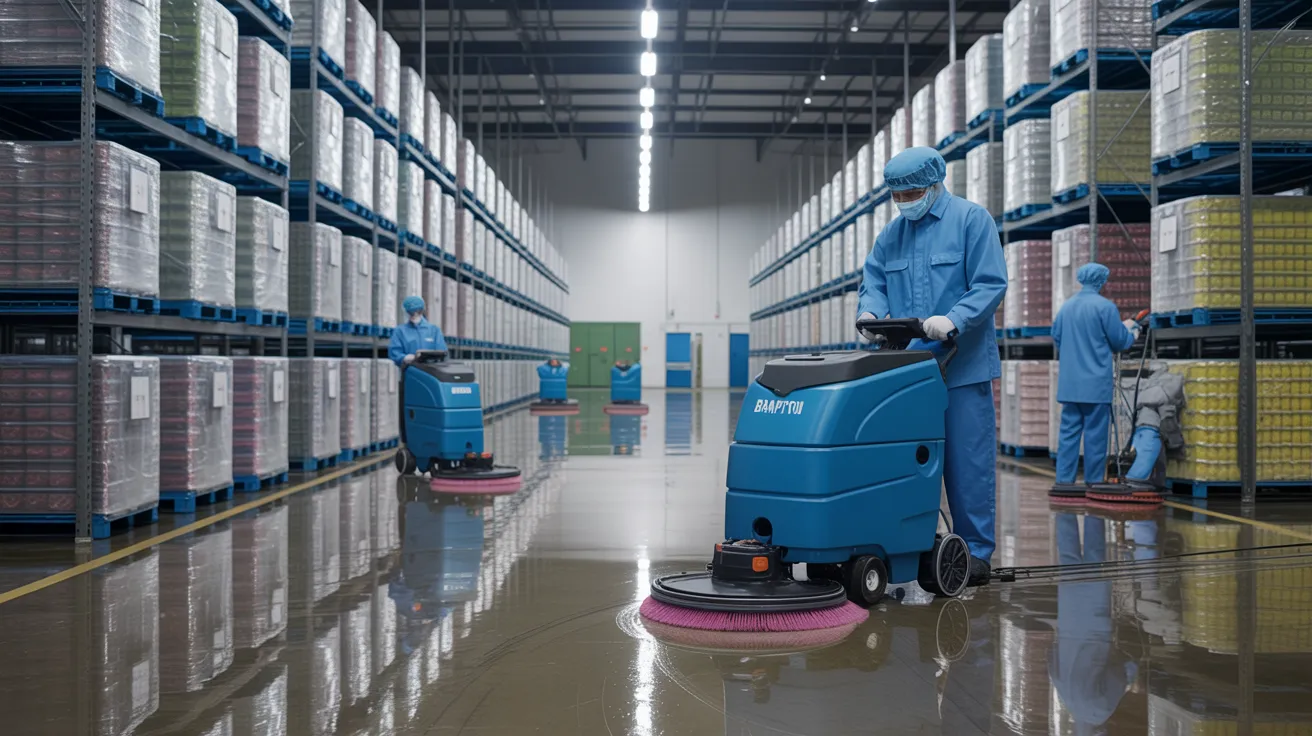
Floor care that is documented should equally be anticipated. Technicians scrub and extract buildup from tile grout, ceramic surfaces, and vinyl floors, then apply appropriate drying controls so you can reduce slip incidents and meet regulatory standards. They also handle entry points where dampness and dirt enter the building.
For restroom sanitation, cleaners sanitize touchpoints, fixtures, partitions, dispensers, and waste containers, then replace products and reduce odor. They also service restaurant moprooms, where chemical storage, sink hygiene, and drainage conditions can affect sanitation compliance and staff safety daily.
How Food Safety Cleaning Benefits Brampton Operations
Brampton businesses need to establish food-safe cleaning standards for satisfying legal standards and passing inspections. You also minimize cross-contamination by cleaning and sanitizing food-contact surfaces, equipment, and high-touch areas correctly. Most importantly, you safeguard public health by lowering the risk of foodborne illness in your facility.
Food Safety Regulations
Since Brampton food operations must follow stringent health requirements, your cleaning procedures directly determines your capacity to satisfy health codes, defend diners, and prevent regulatory penalties. You must maintain hygienic food handling zones, documented cleaning schedules, appropriate product handling, and documented employee protocols that align with municipal and provincial inspection expectations.
Should your cleaning standards deteriorate, you encounter violations, remedial directives, brand damage, and operational suspension during further inspections or enforcement actions.
Cross-Contamination Prevention
Adhering to health code standards requires your skill in preventing cross-contamination throughout daily food handling and cleaning. You need to isolate uncooked items from finished products, sanitize work stations after each task, and store cleaning supplies separately from food. Structured procedures reduce transfer risks and maintain ongoing regulatory adherence.
You might establish allergen separation to prevent priority allergens from contacting shared surfaces, containers, or equipment. Apply separate boards, color-marked equipment, and strict utensil labeling so staff don't mix items during preparation or service. Enforce washing hands following uncooked meat, fish, egg products, or allergens. Swap cleaning rags frequently, and test disinfectant concentration using strips. When employees learn these procedures each shift, you create a cleaner, safer operation that meets Brampton's food safety expectations daily.
Public Wellness Defense
When food safety cleaning fails, you don't just risk a failed inspection—you increase the chance of food-related sickness affecting customers, staff, and the wider Brampton community. You also weaken your role in protecting public health, especially in busy food facilities where contamination can spread quickly through surfaces, equipment, and touchpoints.
You need cleaning protocols that remove soils, disinfect properly, and verify results. That means following exposure periods, using approved disinfectants, recording cleaning times, and educating employees to meet regulatory standards. These controls support pathogen reduction by reducing pathogens before they contaminate surfaces or food. In Brampton, strong sanitation protects vulnerable populations, prevents disease spread, and helps you demonstrate proper care. When you clean to standard, you don't just meet regulations—you actively reduce risk and support safer food service citywide.
How Can Cleaning Practices Ensure Food Safety Compliance?
Maintaining rigorous cleaning routines strengthens food safety compliance by decreasing contamination threats, managing pathogen expansion, and keeping your facility meeting sanitation requirements under HACCP-based programs and public health regulations. You validate that product-contact areas stay visibly clean and microbiologically controlled, supporting documented preventive controls and inspection readiness.
Diligent cleaning moreover strengthens allergen management by removing residues that can cause undeclared allergen exposure. When you combine established sanitation practices with safety training, your staff can follow consistent approaches, handle approved chemicals correctly, maintain records correctly, and handle variations ahead of problems worsen. Consistent cleaning supports supply chain documentation, verifies remediation efforts, and proves commitment in audits. It also helps you safeguard product integrity, sustain compliance standards, and reduce the risk of punitive measures, market recalls, formal complaints, and unnecessary health hazards.
Finding When to Schedule Commercial Cleaning
food-contact areas, bathrooms, and high-touch areas
Schedule drains, ventilation, storage racks, and hard-to-reach areas every week or every month, based on inspection results and sanitation documentation.
What Should You Look For in Brampton Cleaning Experts?
Screen providers initially by their food-safe sanitation requirements—not budget alone. You need to confirm that every company meets CFIA, public health, and HACCP-aligned expectations for your operation. Demand proof of insurance, WHMIS compliance, training records, and management systems. Evaluate technician knowledge of cross-contamination risks, chemical safety, and documented sanitation practices.
You must also evaluate business consistency and oversight. Seek references from food facilities in Brampton, then assess response speed, corrective processes, and communication quality. Ensure the company supports supplier audits and can provide inspection-ready documentation when authorities or third parties demand verification. Verify equipment care, color-coded items are deployed correctly, and site-specific hazards are understood. A qualified provider protects compliance, product integrity, and your brand reputation.
Which elements are contained in a hygiene cleaning program?
Write out a framework that outlines every sanitation task, standard, and responsibility before starting production. You should record cleaning schedules, approved products, ratios, contact periods, tools, and validation approaches for each area, surface, and device. Ensure you include pre-operational inspections, corrective actions, and employee training requirements.
Your strategy should also focus on contamination prevention controls, waste handling procedures, pest management measures, and written schedules for rest areas, drains, flooring, and food-contact surfaces. Detail how you'll keep raw and ready-to-eat processes separate, facilitate ingredient tracking, and ensure accurate allergen labeling through validated cleaning between product changes. You should assign accountability, maintain signed records, and assess results against regulatory standards, HACCP controls, and customer requirements. When gaps appear, update procedures immediately and instruct staff.
Commonly Asked Inquiries
Can sanitation providers support nighttime operations in Brampton properties?
Yes, you can book cleaning services view information about to manage overnight shifts in Brampton facilities. You'll organize overnight sanitation around production schedules, access controls, and staffing requirements. Providers typically establish overnight logistics to minimize interruption, maintain standards, and document completed tasks. You should confirm arrival timeframes, management, access protocols, and disposal methods before beginning service. If you operate regulated spaces, you'll also want cleaning records that support inspections and compliance verification.
Will Brampton cleaning experts respond to hazardous incidents?
Yes, you can discover many Brampton sanitation experts providing spill response options. They manage contamination, evaluate risks, contain affected zones, and begin swift decontamination to reduce risk and avoid operational impact. You should confirm timeframes, certifications, safety protocols, and waste procedures. If your facility must meet compliance standards, pick a provider that documents events, follows procedures, and ensures audit compliance.
Do environmentally safe disinfectants perform safely on food-handling equipment?
In essence, green disinfectants function safely for food preparation areas provided you source items marked food-safe that satisfy compliance requirements. Check application timing, dilution ratios, and rinsing needs before use. Botanical formulations lower toxic chemical contact, although you must have evidence of effectiveness against target microorganisms. To ensure residue free surfaces, stick to manufacturer instructions exactly and ensure the disinfecting agent satisfies food industry regulations.
Can sanitation programs be tailored for seasonal shifts?
Yes, you can modify sanitation programs for seasonal shifts. You should revise frequencies, staffing, disinfectants, and testing procedures to correspond to seasonal workflows while sustaining regulatory requirements. You'll minimize production interruptions by timing sanitization around line changes, high demand periods, and operational patterns. You should additionally revise standard operating procedures, employee training, and facility monitoring to account for periodic risks, emerging allergens, or elevated soil levels. Continuous reviews maintain your plan effective.
Are professional cleaning companies providing employee instruction on sanitation best practices?
Certainly, commercial cleaners train your employees on sanitation best practices. You secure staff training on proper chemical use, contact times, contamination control, machine disassembly, and documentation. They typically align coaching with HACCP, GMP, and CFIA or regional health bodies requirements. Many execute health assessments to verify compliance, uncover shortcomings, and reinforce corrective actions. This helps you copyright standard processes, pass inspections, and reduce food safety risks every day.
Final Thoughts
Through engaging Brampton food safety and commercial cleaning specialists, you do far more than tidy—you ensure your facility for inspections and your standards meet requirements. From production floors to kitchens, all clean areas and kept corners help prevent pest problems and prevent significant costs. Through scheduling maintenance at proper intervals and sticking to a solid cleaning plan, you safeguard employees, your patrons, and your standing. Within strict regulatory frameworks, proper sanitation cannot be considered optional—they represent good business practice.